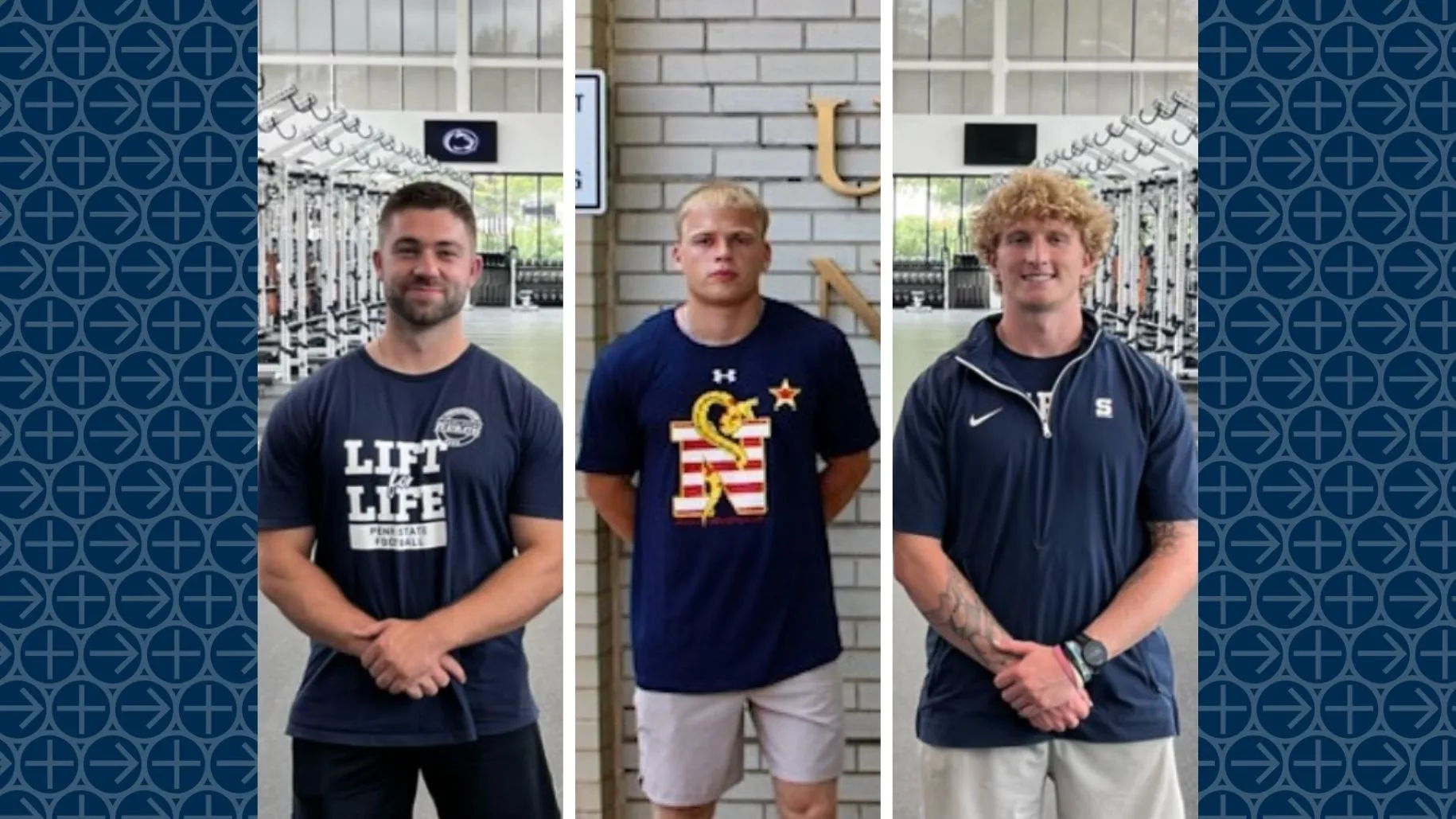
LVC Students Build Strength & Conditioning Skills with Division I Football Internships


Not Seeing the Program You Are Looking For?

Turn your interest in movement and the human body into a career. Lebanon Valley College’s exercise science major prepares you to work with athletes, patients, and everyday clients, whether you want to coach strength and conditioning, lead corporate or community wellness programs, support cardiac rehabilitation, or continue to graduate school in physical therapy or clinical exercise physiology.
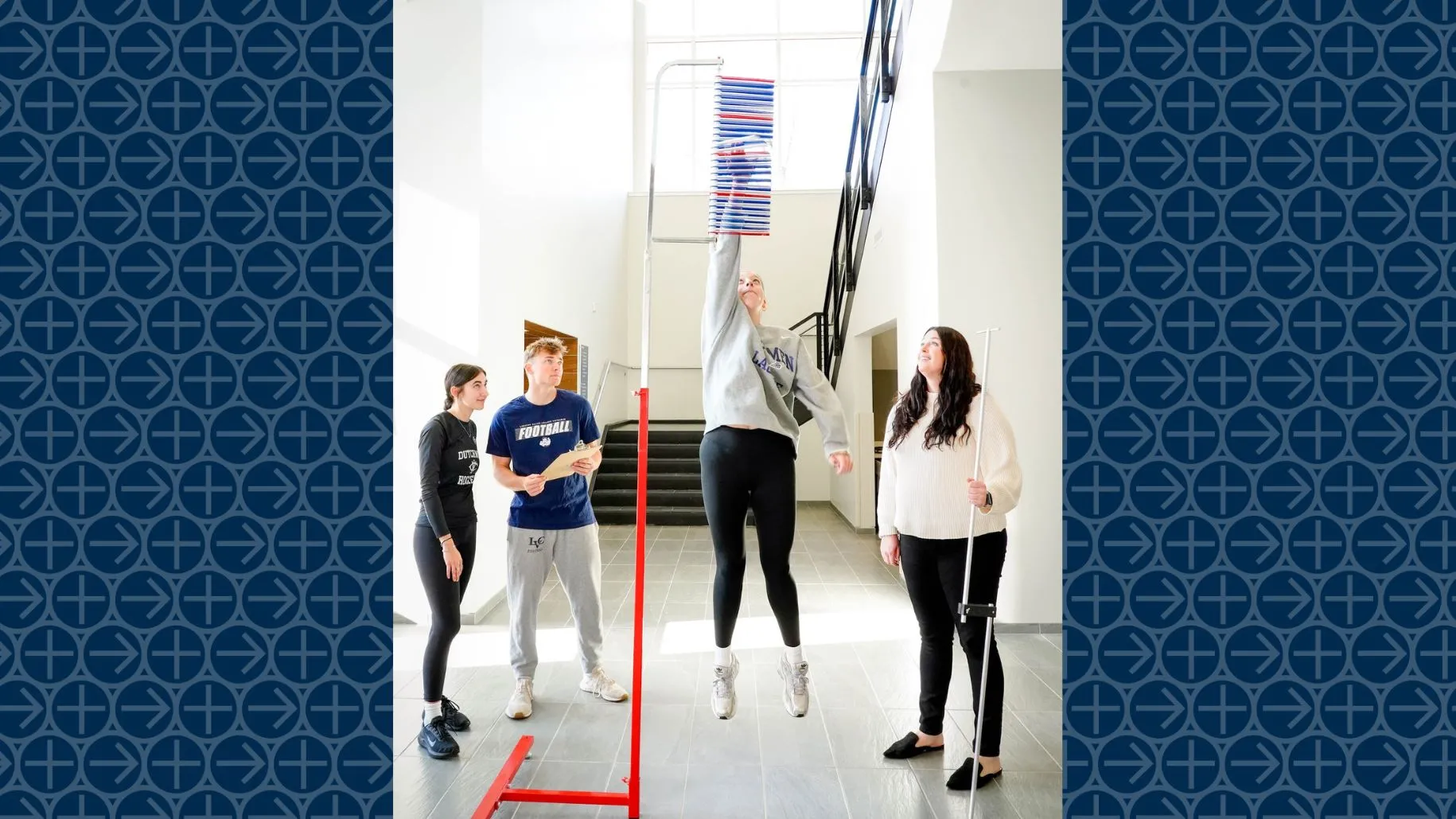
You’ll design evidence-based exercise programs, learn in the Lewis Human Performance Lab and Gross Anatomy Lab, and complete at least eight credits of internship, research, or strength and conditioning field experience before you graduate.
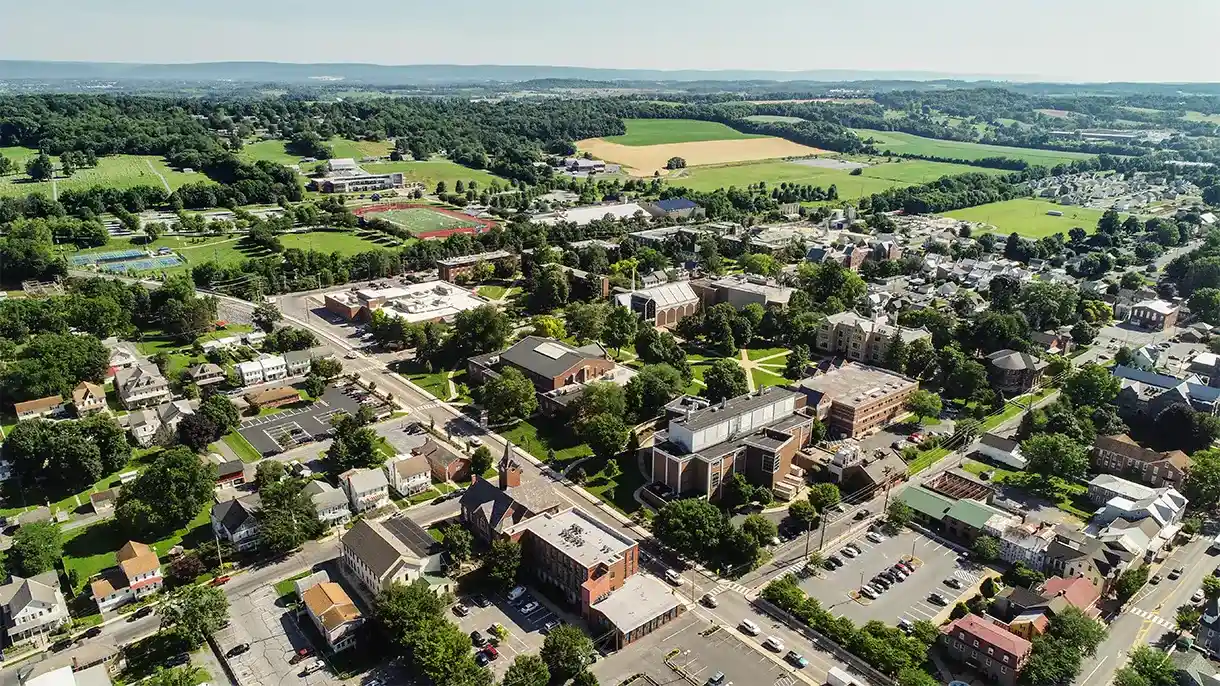
Exercise science is the study of how the body responds and adapts to physical activity, and how to use exercise to improve health, performance, and recovery. Lebanon Valley College’s bachelor’s degree in exercise science is accredited by the Commission on Accreditation of Allied Health Education Programs (CAAHEP) and taught in the Jeanne and Edward H. Arnold Health Professions Pavilion on Lebanon Valley College’s campus in Annville, Pennsylvania, a short drive from Hershey, Harrisburg, and Lancaster.
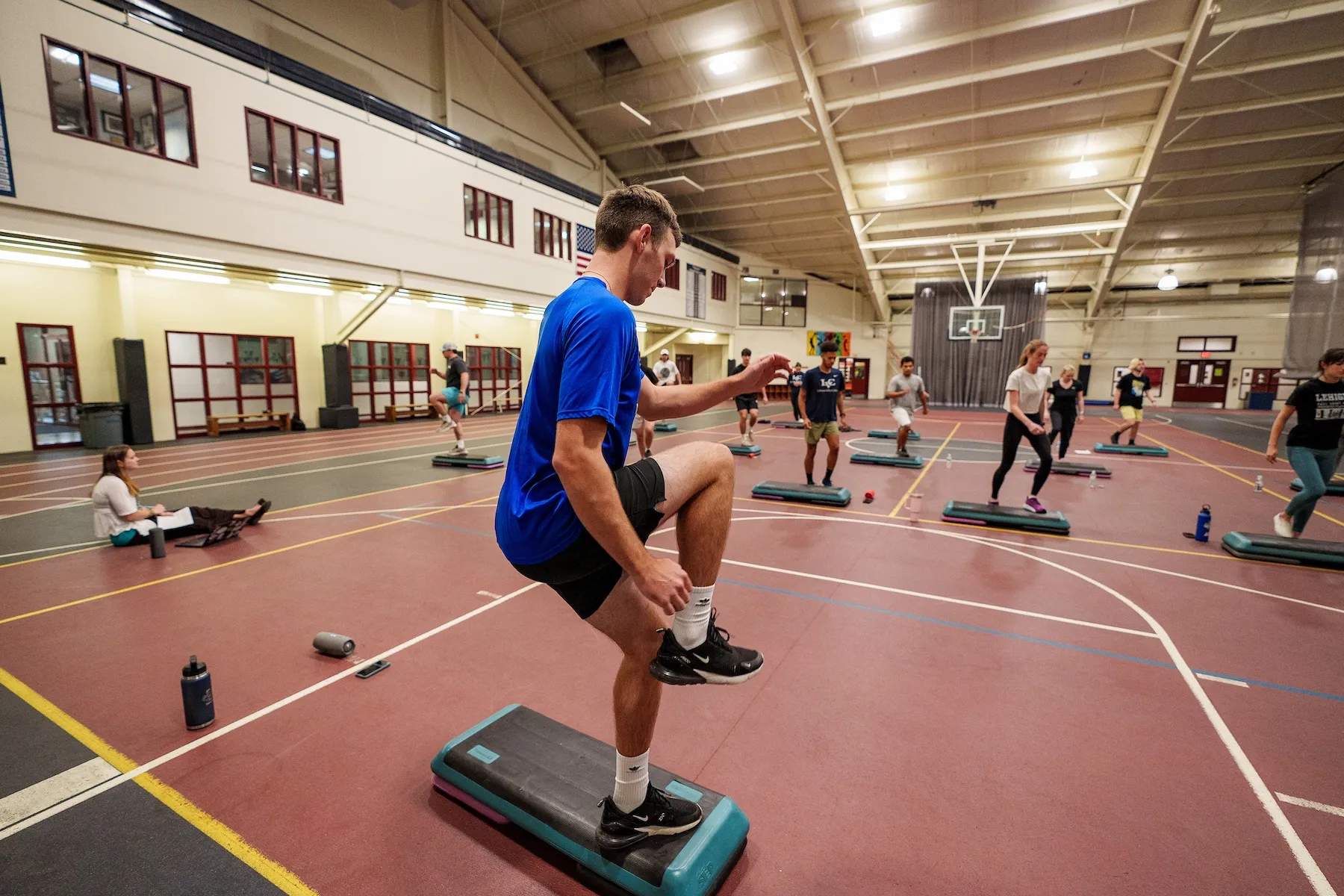
Every exercise science student builds the same foundation in anatomy, exercise physiology, biomechanics, and exercise testing and prescription. Your track shapes the rest of your degree around the career you want.
Lebanon Valley College’s exercise science program is CAAHEP-accredited and led by faculty who are experts in exercise physiology, strength and conditioning, and obesity and chronic disease. Outside class, you can join the Exercise Science Club or one of our club sports teams, and need-based departmental scholarships are available.
Graduate and Professional Track
Best for students headed to graduate school in physical therapy, occupational therapy, clinical exercise physiology, or other allied health fields. Adds biology, chemistry, and physics coursework that graduate programs expect.
Exercise, Sport, and Health Promotion Track
Best for students who want to coach, train athletes, or work in fitness and corporate wellness. Prepares you to sit for the NSCA’s Certified Strength and Conditioning Specialist (CSCS) exam.
Health and Wellness Track
Best for students interested in community fitness, youth and adult wellness programs, corporate wellness, and health promotion.
Strength and Conditioning Specialization
Add it to any track to build advanced skills in program design, athlete monitoring, and sport-specific conditioning, aligned with NSCA competencies.


Studying exercise science abroad lets you see how people train, move, and stay healthy all over the world. Whether you’re learning new fitness techniques, exploring outdoor adventure programs, or discovering how culture shapes wellness, you’ll come home with fresh ideas and a whole new way of looking at the human body in motion.
What can you do with an exercise science degree? More than most students expect. Lebanon Valley College graduates work in clinical settings such as cardiac rehabilitation, in performance settings as strength and conditioning coaches and personal trainers, and in community and corporate wellness programs. Many continue to graduate school to become physical therapists, occupational therapists, athletic trainers, or clinical exercise physiologists.
Your track points you toward a path:
Graduate and Professional track prepares you for allied health graduate programs
Exercise, Sport, and Health Promotion track prepares you for the CSCS exam and coaching roles
Health and Wellness track prepares you for fitness and health promotion careers
Recent exercise science graduates have worked at Next Play Sports, the YMCA, PowerTrain, Penn State Hershey Medical Center, and some even started their own health and wellness businesses.

Exercise science is the study of how the body responds and adapts to physical activity. Exercise science majors learn anatomy, physiology, biomechanics, and nutrition, then apply that knowledge to design exercise programs that improve health, athletic performance, and recovery from injury or chronic disease.
Exercise science graduates work as cardiac rehabilitation specialists, exercise physiologists, strength and conditioning coaches, personal trainers, corporate wellness specialists, and community health educators. Many continue to graduate programs in physical therapy, occupational therapy, athletic training, or clinical exercise physiology.
Yes. Lebanon Valley College’s exercise science program is accredited by the Commission on Accreditation of Allied Health Education Programs (CAAHEP) upon the recommendation of the Committee on Accreditation for the Exercise Sciences (CoAES).
The Graduate and Professional track prepares you for graduate school in allied health fields. The Exercise, Sport, and Health Promotion track prepares you for coaching and fitness careers and the CSCS exam. The Health and Wellness track focuses on community fitness, corporate wellness, and health promotion. You can add the Strength and Conditioning Specialization to any track.
Yes. The Exercise, Sport, and Health Promotion track emphasizes preparation for the NSCA’s Certified Strength and Conditioning Specialist (CSCS) exam and includes a CSCS Prep course option. The Strength and Conditioning Specialization aligns with NSCA competencies, and every track includes an exam certification preparation course.
Core courses include Anatomy and Physiology, Exercise Physiology, Introduction to Human Movement, Training and Conditioning, Fitness Instruction and Design, Exercise Testing and Prescription, and Biomechanics. Each track adds its own science or applied courses, and all students complete a practicum.
Yes. Every exercise science student completes at least eight practicum credits through an internship, a research project, or a strength and conditioning field experience. Students gain experience with partners such as Lebanon YMCA, Penn State Health, WellSpan Health, Penn Medicine Lancaster, and Power Train Sports.
Yes. Exercise science is one of the most common undergraduate majors for physical therapy and other allied health graduate programs. Lebanon Valley College’s Graduate and Professional track includes the biology, chemistry, and physics coursework these programs typically require, and we offer our own M.S. in Clinical Exercise Physiology, Master of Athletic Training, and Doctor of Physical Therapy programs.
For students who enjoy science, sports, and helping people, exercise science offers a wide range of career options and a strong foundation for graduate school. The U.S. Bureau of Labor Statistics projects 9% job growth for exercise physiologists from 2024 to 2034.
Yes! At Lebanon Valley College, we make transferring simple and supportive. You’ll get personalized guidance, generous transfer scholarships up to $36,000, and the flexibility to bring up to 90 credits with you. For more information, visit our Transfer Admission webpage.


The “ERP” logo is a trademark of the National Strength and Conditioning Association in the United States and/or other countries.

The Exercise Science program is accredited by the Commission on Accreditation of Allied Health Education Programs (www.caahep.org) upon the recommendation of the Committee on Accreditation for the Exercise Sciences (CoAES).