

Occupational therapist works with elderly patient on hand strengthening exercises

Master of Science in Occupational Therapy

Help people of all ages participate more fully in the activities that give their lives meaning. Lebanon Valley College's Master of Science in Occupational Therapy (MSOT) combines online coursework, intensive on-campus lab residencies, and extensive clinical fieldwork, so you can prepare to become an occupational therapist without relocating.

Through LVC's hybrid, low-residency MSOT program, you will develop the clinical reasoning, evidence-based practice, communication, and hands-on skills needed to serve individuals, families, and communities across the lifespan, alongside students and faculty from LVC's established health professions programs.

Anticipated next start date: May 2028

The LVC Master of Science in Occupational Therapy at a Glance

Lebanon Valley College’s Master of Science in Occupational Therapy (MSOT) is a 72-credit, hybrid graduate program that prepares you for entry-level practice as an occupational therapist. You complete online coursework with a total of four on-campus lab residencies in Annville, Pennsylvania, plus three Level I fieldworks and two 12-week Level II fieldwork placements, over two years (six consecutive semesters).

The Lebanon Valley College Master of Science in Occupational Therapy program has initiated the accreditation process with the Accreditation Council for Occupational Therapy Education (ACOTE) of the American Occupational Therapy Association (AOTA).

72
credits
$1,120
per-credit tuition rate
Up to 15%
merit, alumni, family, & partner discounts available
Hybrid
online coursework and on-campus residencies
2 years
six consecutive semesters to completion
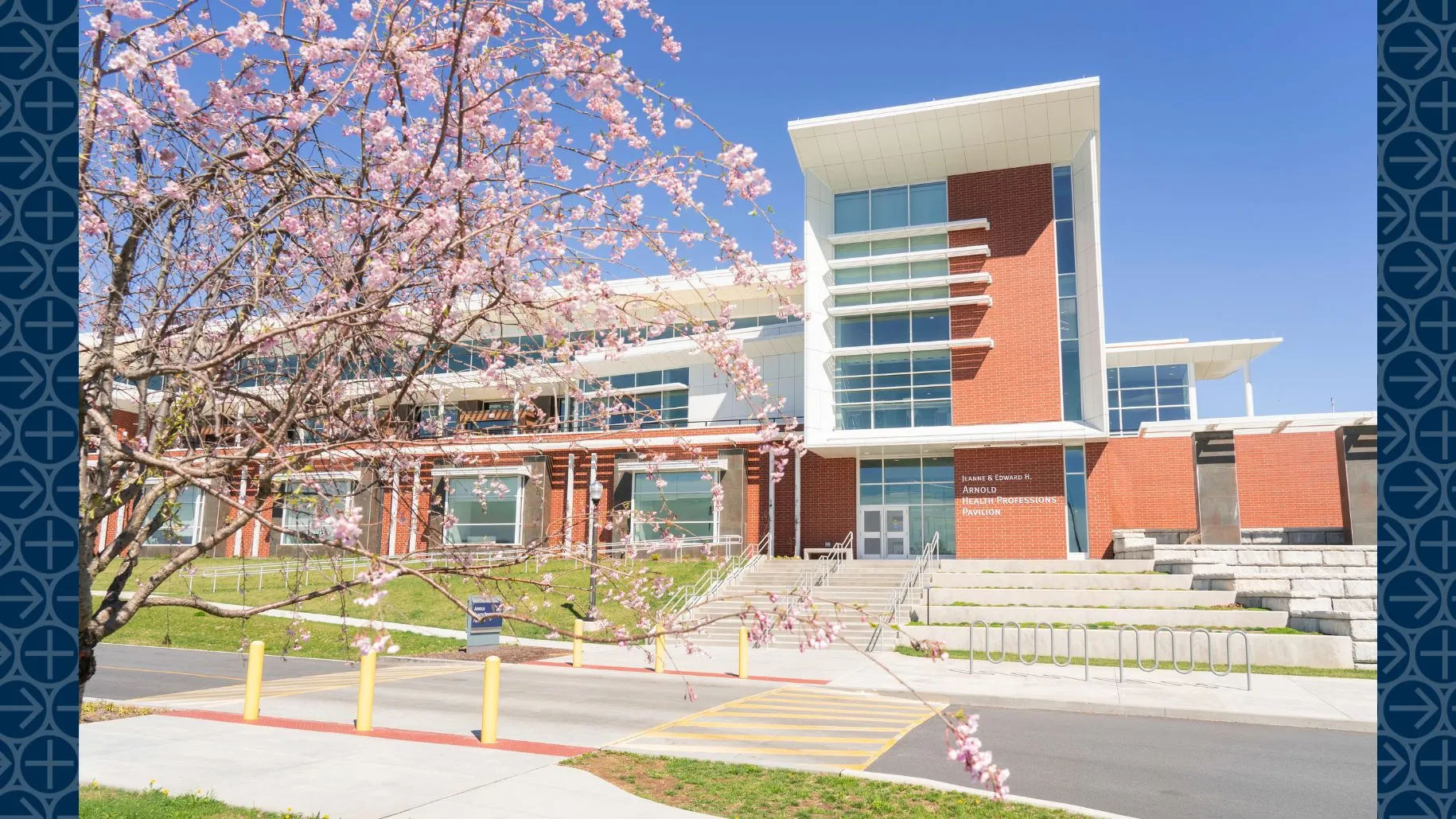
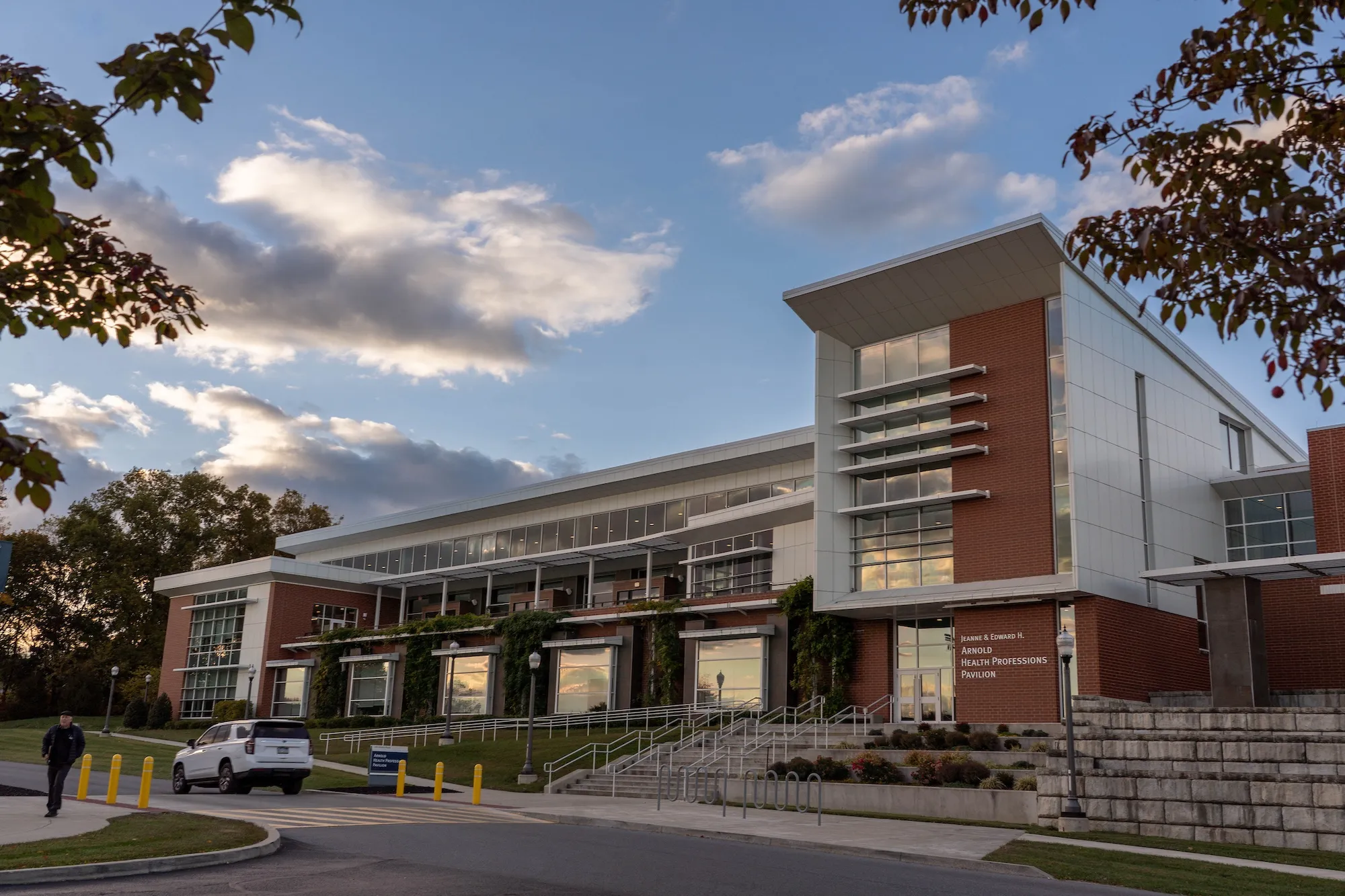
Arnold Health Professions Pavilion at sunset

What You’ll Study

Build the clinical reasoning and hands-on skills to practice occupational therapy across the lifespan. LVC’s M.S. in Occupational Therapy prepares students through coursework in anatomy, neuroscience, physical rehabilitation, pediatrics, mental health, gerontology, assistive technology, community health, leadership, and evidence-based practice.

To earn your Master of Science in Occupational Therapy, you will complete 72 credits across six consecutive semesters, progressing from foundational sciences through clinical practice areas and into two 12-week Level II fieldwork placements, so you graduate ready for entry-level generalist practice.

Feature Courses

  • Functional Anatomy for Occupational Therapy: Provides an applied study of human anatomy emphasizing movement, function, and occupational performance.
  • Neuroscience for Occupational Therapy: Examines the structure and function of the nervous system as the foundation for occupational performance and participation.
  • Leadership, Advocacy, & Occupational Justice: Examines the roles of leadership, advocacy, and occupational justice in contemporary occupational therapy practice.
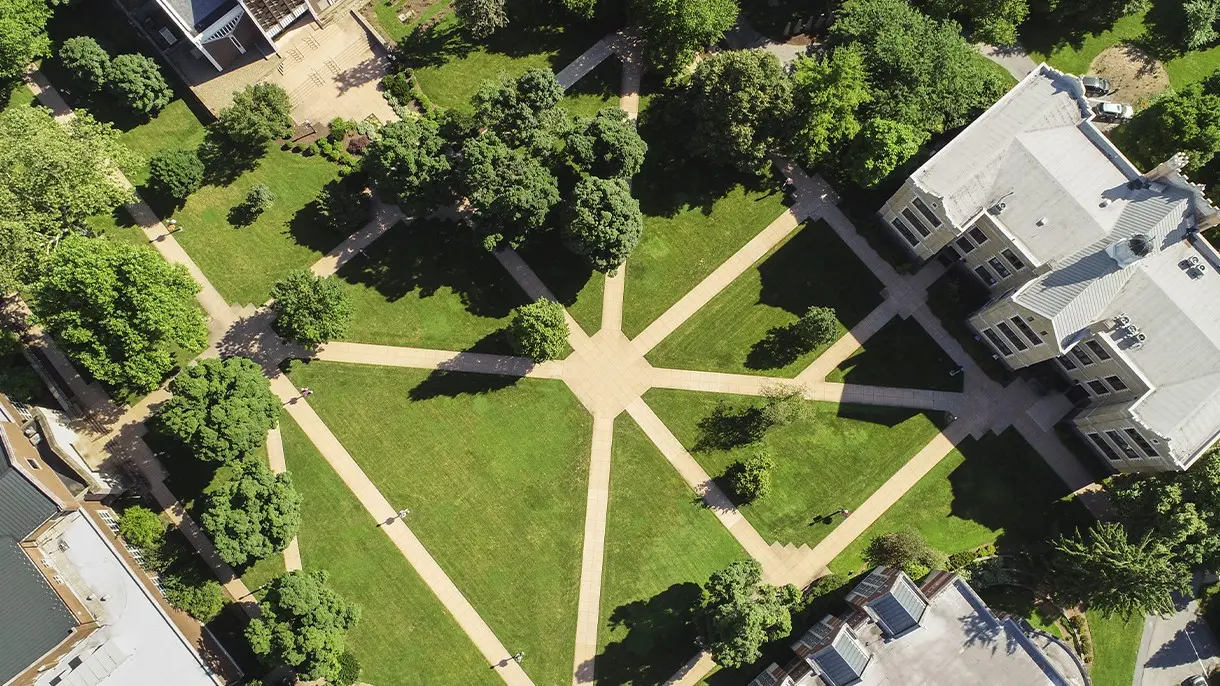
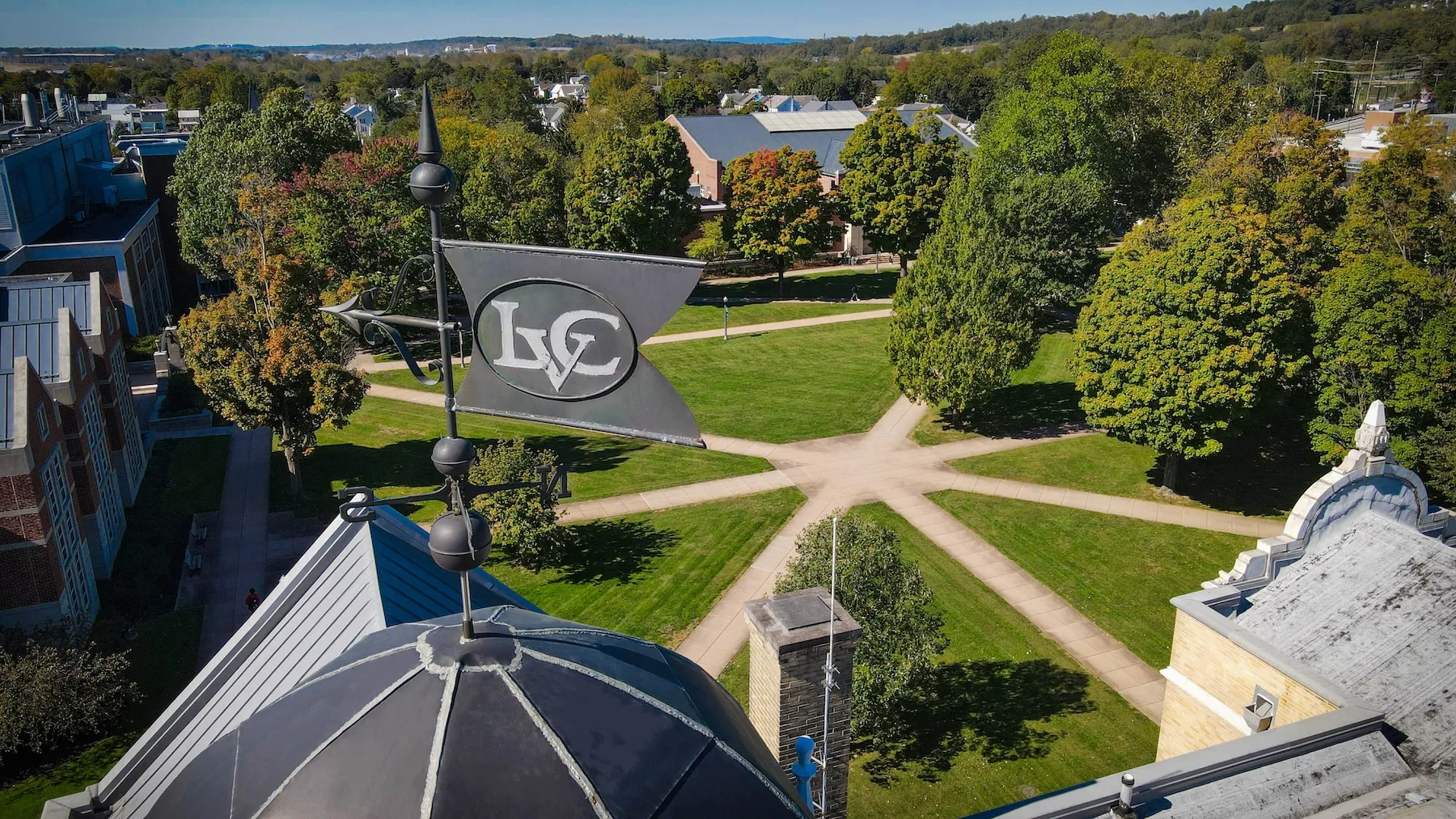
Aerial drone shot of LVC academic quad and top of Humanities building

Why Choose LVC’s M.S. in Occupational Therapy?

Stay Where You Live

Complete coursework online and build practical skills during intensive, in-person laboratory experiences on LVC’s campus. practice assessment techniques, therapeutic interventions, clinical reasoning, assistive technology applications, physical rehabilitation skills, and other competencies under the guidance of occupational therapy faculty. The hybrid format reduces geographic and scheduling barriers without sacrificing the experiential learning essential to occupational therapy education. No need to relocate!

Learn Across the Lifespan

Prepare to support clients from childhood through older adulthood. Courses in pediatric occupational therapy, mental health and psychosocial well-being, gerontology, neuroscience, physical rehabilitation, and community health will help you understand how personal, environmental, social, and medical factors influence occupational performance.

Put Knowledge into Practice

Clinical fieldwork is embedded throughout the MSOT curriculum, giving you scaffolded opportunities to apply classroom knowledge in authentic practice settings. Level I fieldwork introduces you to occupational therapy services and populations early in the program. In two 12-week Level II fieldwork experiences, integrate your knowledge, strengthen your professional identity, and develop the skills expected of an entry-level occupational therapist.

Is a Master of Science in Occupational Therapy Worth It?

Occupational therapists help people of all ages take part in the everyday activities they need and want to do, working with clients experiencing injuries, illnesses, disabilities, developmental conditions, mental health needs, and age-related changes.

Demand for occupational therapists is strong and growing. The U.S. Bureau of Labor Statistics projects 14% job growth from 2024 to 2034, much faster than the average occupation, with about 10,200 openings each year and a median annual wage of $98,340 (2024). A master’s degree from an ACOTE-accredited program, followed by national certification, is the standard path into the field, and LVC’s hybrid MSOT is built to prepare you for entry-level generalist practice.

$98,340
median annual pay for occupational therapists, 2024 (BLS)
14%
projected employment growth, 2024–34 (BLS)
10,200
openings each year, 2024–34 (BLS)

Admission Requirements

Applicants to LVC’s M.S. in Occupational Therapy program will need a bachelor’s degree from a regionally accredited institution before beginning graduate study. Because the program is hybrid, it is not open to international students requiring a study visa. Applicants should have a minimum undergraduate GPA of 3.0 (on a 4.0 scale). A personal statement, professional résumé, and references are also required.

Accreditation

The Lebanon Valley College Master of Science in Occupational Therapy program has initiated the accreditation process with the Accreditation Council for Occupational Therapy Education (ACOTE) of the American Occupational Therapy Association (AOTA), located at 7501 Wisconsin Avenue, Suite 510E, Bethesda, MD 20814. ACOTE’s telephone number c/o AOTA is (301) 652-AOTA (2682) or (301) 652-6611, and its web address is www.acoteonline.org.

The program must be granted Candidacy Status, have a pre-accreditation review, complete an on-site evaluation, and be granted Accreditation Status before its graduates will be eligible to sit for the national certification examination for the occupational therapist administered by the National Board for Certification in Occupational Therapy (NBCOT). After successful completion of this exam, the individual will be an Occupational Therapist, Registered (OTR).

In addition, all states require licensure to practice; however, state licenses are usually based on the results of the NBCOT Certification Examination. Note that a felony conviction may affect a graduate’s ability to sit for the NBCOT certification examination or attain state licensure.

Dr. William Wrightsman

Faculty Spotlight

Learn from occupational therapy educators and clinicians who bring current professional experience, specialized expertise, and a commitment to attentive mentorship. LVC’s MSOT faculty will guide you as you connect theory, evidence, clinical reasoning, and hands-on practice.

The program is led by Founding Director Dr. William Wrightsman, whose clinical background is in physical dysfunction and rehabilitation with adults and older adults.

In Their Words

Our Master of Occupational Therapy program is designed to prepare occupational therapists who are clinically competent, thoughtful professionals, adaptive practitioners, and emerging leader. We are intentionally creating a learning model that expands access without compromising quality, blending flexibility with immersive, high-impact, hands-on experiences, so that our graduates are fully prepared to meet the evolving needs of clients and communities.
Dr. William Wrightsman, Founding Director, M.S. in Occupational Therapy Program, Lebanon Valley College

Frequently Asked Questions

Occupational therapy is a health profession that helps people participate in the everyday activities they need or want to do. Occupational therapists work with clients to improve independence, safety, health, well-being, and participation at home, at school, at work, and in the community.

The program is billed on a per credit basis based on the number of credits taken each term. Additional program fees are not charged. The 2027-2028 per credit rate is $1,088 per credit. Rates are subject to change each year.

The MSOT program is designed to be completed in six consecutive semesters, or approximately two years of full-time graduate study.

The program will use a hybrid format. Students will complete online didactic coursework and attend periodic weekend-intensive laboratory sessions on LVC’s campus in Annville, Pa. Clinical fieldwork will take place in approved professional settings.

The proposed M.S. in Occupational Therapy curriculum requires 72 graduate credits.

Yes. The curriculum includes two Level I fieldwork courses and two 12-week Level II fieldwork placements.

Occupational therapists work in hospitals, rehabilitation centers, schools, pediatric practices, mental health settings, skilled nursing facilities, home health, community programs, private practices, and other healthcare and human-service environments.

The U.S. Bureau of Labor Statistics projects employment of occupational therapists to grow 14% from 2024 to 2034, which is much faster than the average for all occupations. (Bureau of Labor Statistics)

Visit Our Campus

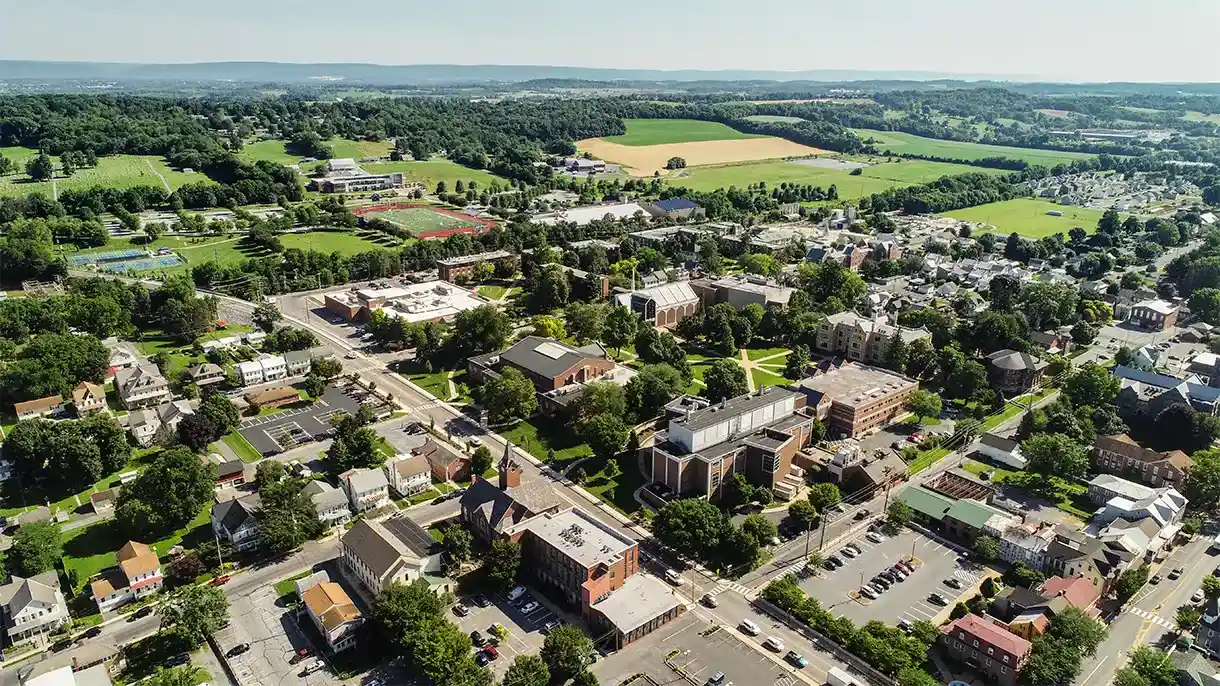
Experience LVC’s campus in Annville, Pennsylvania, and learn how the M.S. in Occupational Therapy program will combine online learning with immersive, hands-on laboratory instruction. Explore LVC’s health professions facilities, learn more about the hybrid program format, and discuss the application process with Graduate Admission.

Upcoming Graduate Program Events

Featured News & Stories