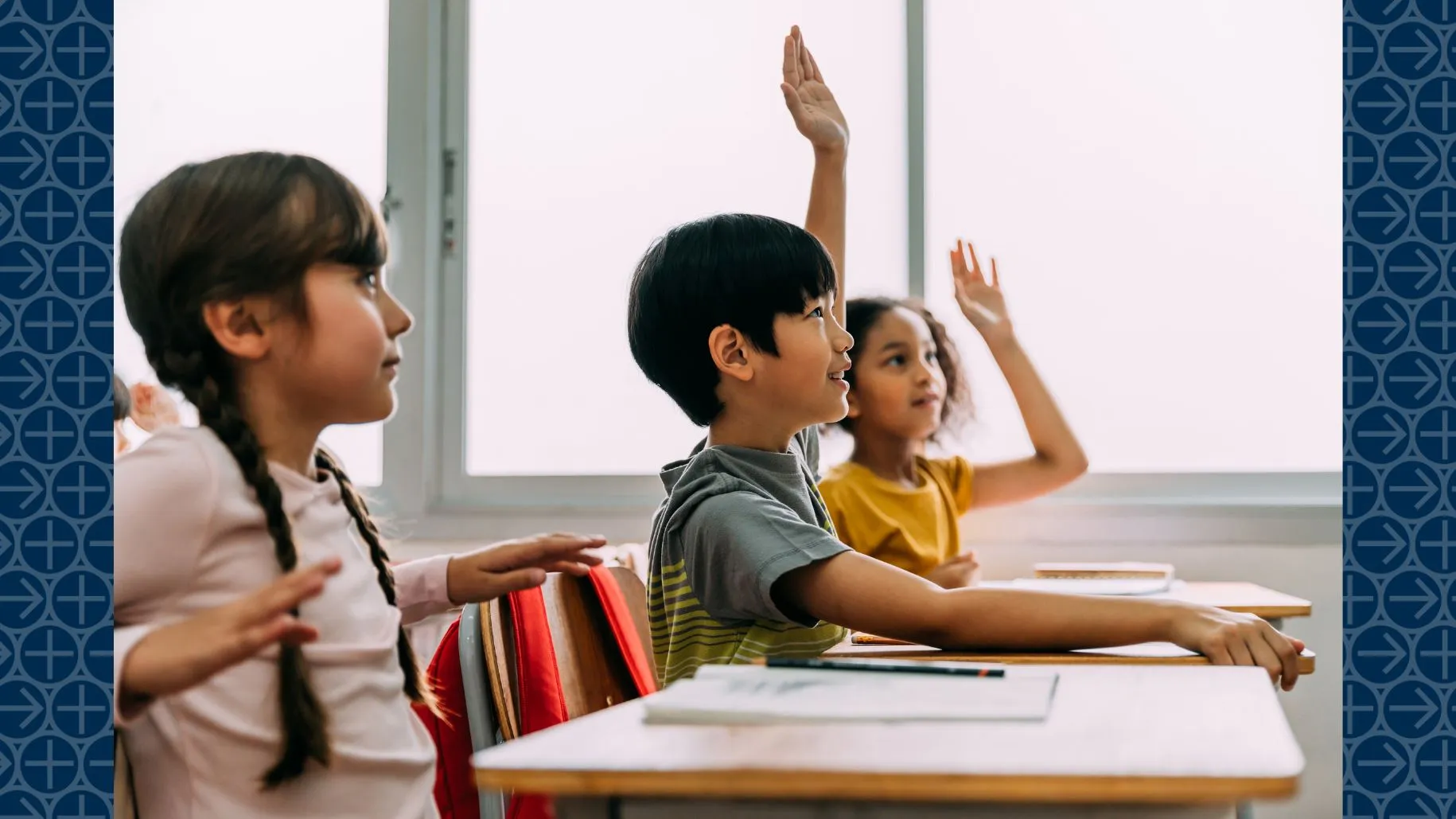
The Power of Inclusive Classrooms for Students with Speech and Language Impairments


Not Seeing the Program You Are Looking For?
Insights by: Dawn Schorr, M.S., CCC/SLP – Adjunct Clinical Educator at Lebanon Valley College
In today’s classrooms, inclusion is more than an educational trend—it’s a commitment to building communities where every child feels seen, heard, and valued. For students with speech or language impairments, that sense of belonging can shape not only their academic success, but their confidence, friendships, and long-term well-being.
Dawn Schorr, M.S., CCC/SLP—an adjunct clinical educator at Lebanon Valley College and a practicing speech-language pathologist at Central Dauphin School District—has spent her career helping students find their voices. She believes inclusion plays a critical role in that journey. “Inclusion provides age-appropriate models for speech, language, and social communication for students with speech and language impairments,” Schorr says. Learning alongside peers gives students consistent, natural examples of how communication works in academic and social settings.
Inclusion also shapes classroom culture in powerful ways. “Including students with speech and language impairments helps all students learn acceptance and compassion,” she explains. When differences are normalized, empathy becomes part of daily interactions—from partner work to playground conversations.
Misconceptions, however, can quietly undermine a child’s progress. One of the most common is the belief that articulation issues don’t significantly affect academics. “Phonemic awareness, decoding, and encoding are directly linked to literacy, and they’re also impacted by articulation impairments,” Schorr says. Speech sound development plays a foundational role in reading and writing, and when those connections are overlooked, students may struggle in ways that aren’t immediately understood. Socially, the effects can be just as significant, as children who are misunderstood or teased may hesitate to participate.
True inclusion goes beyond simply placing a student in a general education classroom. It requires intentional structure and collaboration. “An inclusive classroom is a community of students in which all students have a desk and materials they need for lessons,” Schorr says. Rather than separating students at the back of the room, teachers differentiate instruction so every learner can access the curriculum. Co-teaching models and shared planning between classroom teachers and speech-language pathologists help ensure support is embedded throughout the school day.
An inclusive environment also nurtures social-emotional growth. “Inclusivity teaches everyone that we all learn differently, and that we all have important skills to contribute to the school community,” Schorr notes. In these classrooms, students see diverse strengths modeled and valued, building both communication skills and confidence.
Teachers can reinforce inclusion through practical, evidence-based strategies that support all learners without singling anyone out. Tools such as sound walls during language arts instruction, pairing visuals and gestures with new vocabulary, structured “turn and talks,” decodable texts, and interactive read-alouds help strengthen language and literacy skills. The gradual release model— “I do, we do, you do”—provides guided practice before independence, ensuring students feel supported at every stage.
Peers play an equally important role. “Students will model and follow the classroom teacher and SLP’s lead,” Schorr says. When educators provide age-appropriate explanations about communication differences or how speech devices work, classmates gain understanding and empathy, helping create a culture where every voice is respected.
The long-term impact of meaningful inclusion is profound. “When students are properly included, everyone in the classroom and school feels comfortable and enjoys coming to school,” Schorr says. When inclusion is absent, students may struggle to access the curriculum or feel disconnected from their learning environment. By prioritizing collaboration, thoughtful instruction, and belonging, schools can ensure that every child—regardless of how they communicate—can thrive.