The Power of Inclusive Classrooms for Students with Speech and Language Impairments


Not Seeing the Program You Are Looking For?



Insights by: Helga McCullough, Associate Professor of Speech-Language Pathology
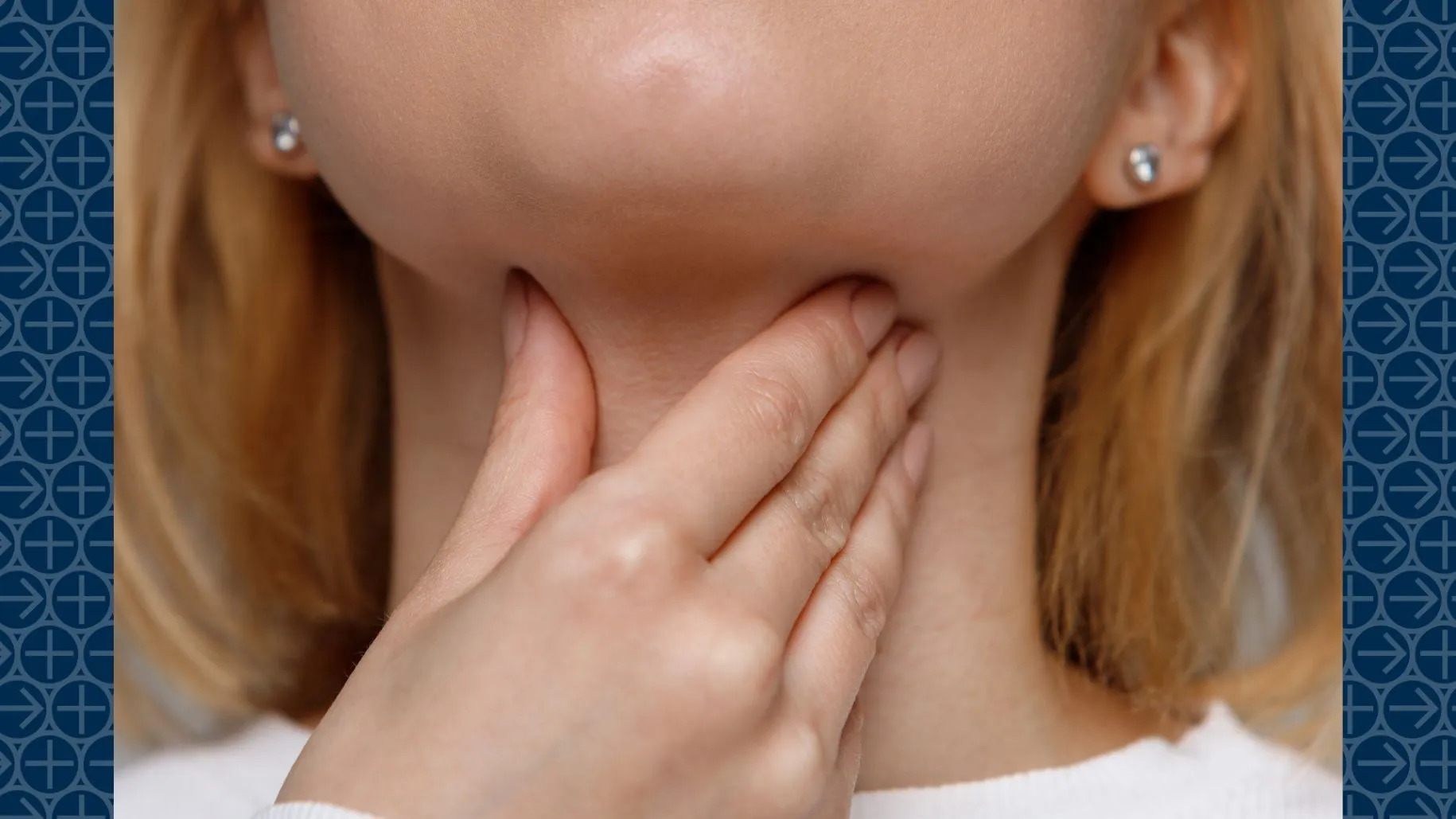
Difficulty swallowing is often dismissed as a minor or temporary problem, but it can be a serious and sometimes life-threatening medical condition, according to Helga McCullough, associate professor of speech-language pathology at Lebanon Valley College and an expert in swallowing disorders known clinically as dysphagia.
“Simply put, dysphagia is difficulty swallowing,” she said. “It’s fairly common, affecting about one in three older adults and one in four children.” Despite how widespread it is, dysphagia frequently goes unrecognized or untreated. Left unaddressed, it can lead to pneumonia, malnutrition, and even death. “It’s imperative that swallowing difficulties are identified and treated quickly and effectively,” she said.
Beyond the medical risks, swallowing disorders can significantly affect quality of life. Eating and drinking are central to daily routines and social interactions, and difficulties in those areas can be isolating. “Food and drink aren’t just about nutrition,” she said. “They play a huge role in almost all things we do socially.”
Misconceptions remain a major barrier to care. Dysphagia is often assumed to be a normal part of aging, or something that can only be managed through modified diets or thickened liquids. “There’s a belief that there aren’t real treatment options to improve swallowing,” she said. “That simply isn’t true.”
The causes of dysphagia vary by age. In children, it is commonly associated with premature birth, structural differences such as cleft lip or palate, neurological conditions like cerebral palsy, or gastrointestinal and inflammatory issues. In adults and older adults, neurological conditions such as stroke and Parkinson’s disease are leading causes, along with structural issues like head or neck cancer or disorders of the esophagus. In some cases, treatments for other medical conditions — including surgery, radiation, or certain medications — can also affect swallowing.
Early signs are often subtle and easy to miss. Increased coughing or throat clearing during meals is one of the most common warning signs. Other indicators include a wet or gurgly voice, unexplained weight loss, avoiding certain food textures, or repeated bouts of pneumonia.
Neurological conditions can interfere with the coordination and strength of the muscles used for chewing and swallowing. Cancer treatments may also play a role by removing or damaging structures critical to the swallowing process or by causing scarring that limits movement.
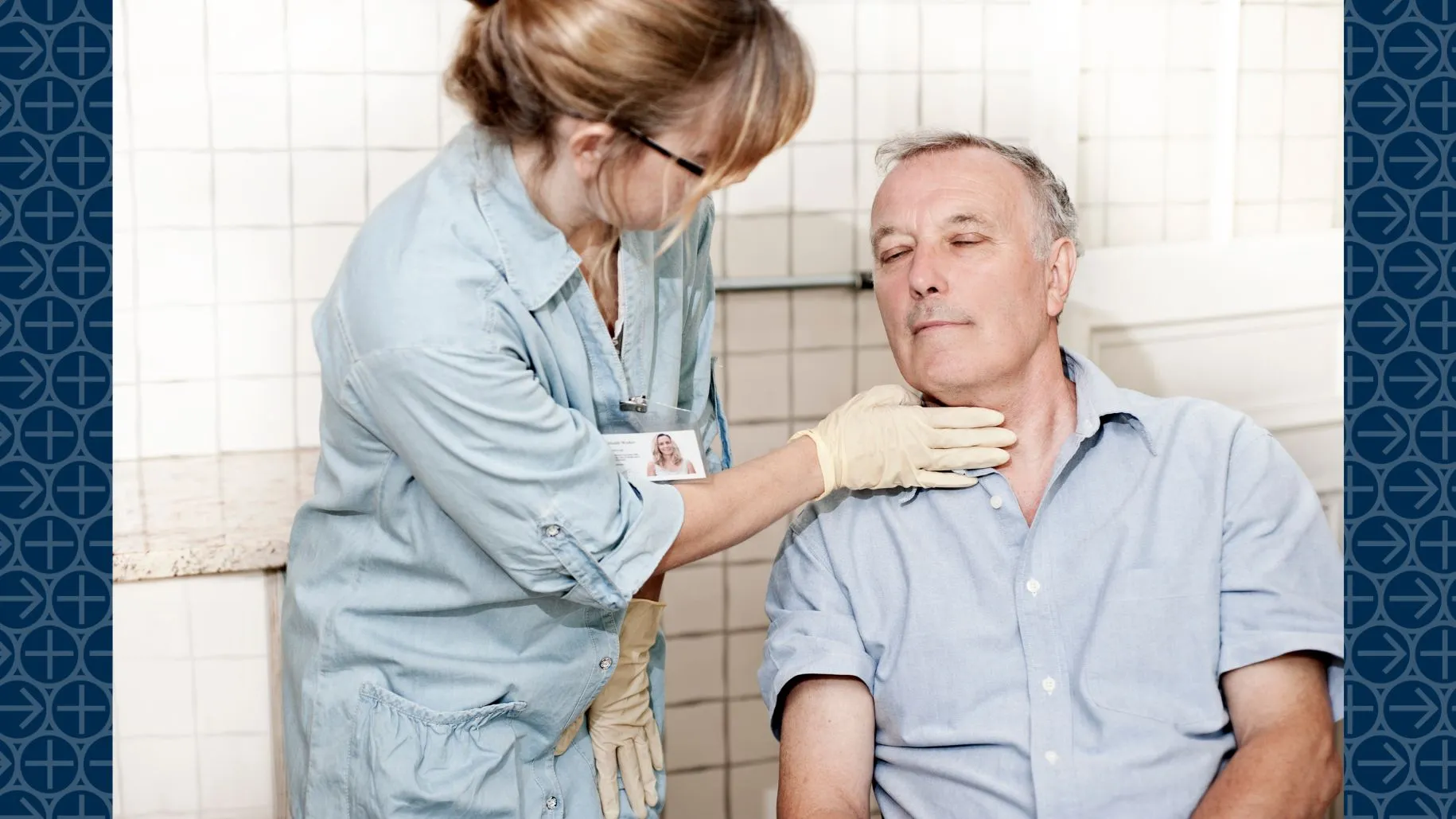
Speech-language pathologists play a key role in evaluating and treating swallowing disorders, though many people are surprised to learn this is part of their training. “We’re experts in the anatomy and physiology used for speech, and that same anatomy is used for chewing and swallowing,” she said. “We’re also trained in rehabilitation, which makes dysphagia therapy a natural part of our work.”
With appropriate therapy, many patients experience meaningful improvements. “Overall, outcomes are generally positive for both swallow function and quality of life,” she said, noting that progress depends on the underlying cause. In cases involving progressive neurological disease, therapy may focus on maintaining current function and slowing decline.
When seeking care, she emphasized the importance of choosing a provider who prioritizes active rehabilitation rather than relying solely on compensatory strategies. “Think of it as physical therapy for the swallow,” she said. Treatment plans should be individualized and reflect each patient’s goals, preferences, and quality of life.
Research continues to advance the field, including the growing use of biofeedback technology. Tools such as surface electromyography allow clinicians and patients to see swallowing muscle activity in real time, making therapy more engaging and effective. “It takes something abstract and makes it visible,” she said, adding that biofeedback can be highly motivating for patients.
For individuals experiencing symptoms such as difficulty swallowing, coughing while eating or drinking, painful swallowing, weight loss, or frequent pneumonia, she encourages prompt medical evaluation and a referral to a speech-language pathologist. Even small preventive steps, such as good oral hygiene, can play an important role in reducing the risk of serious complications.