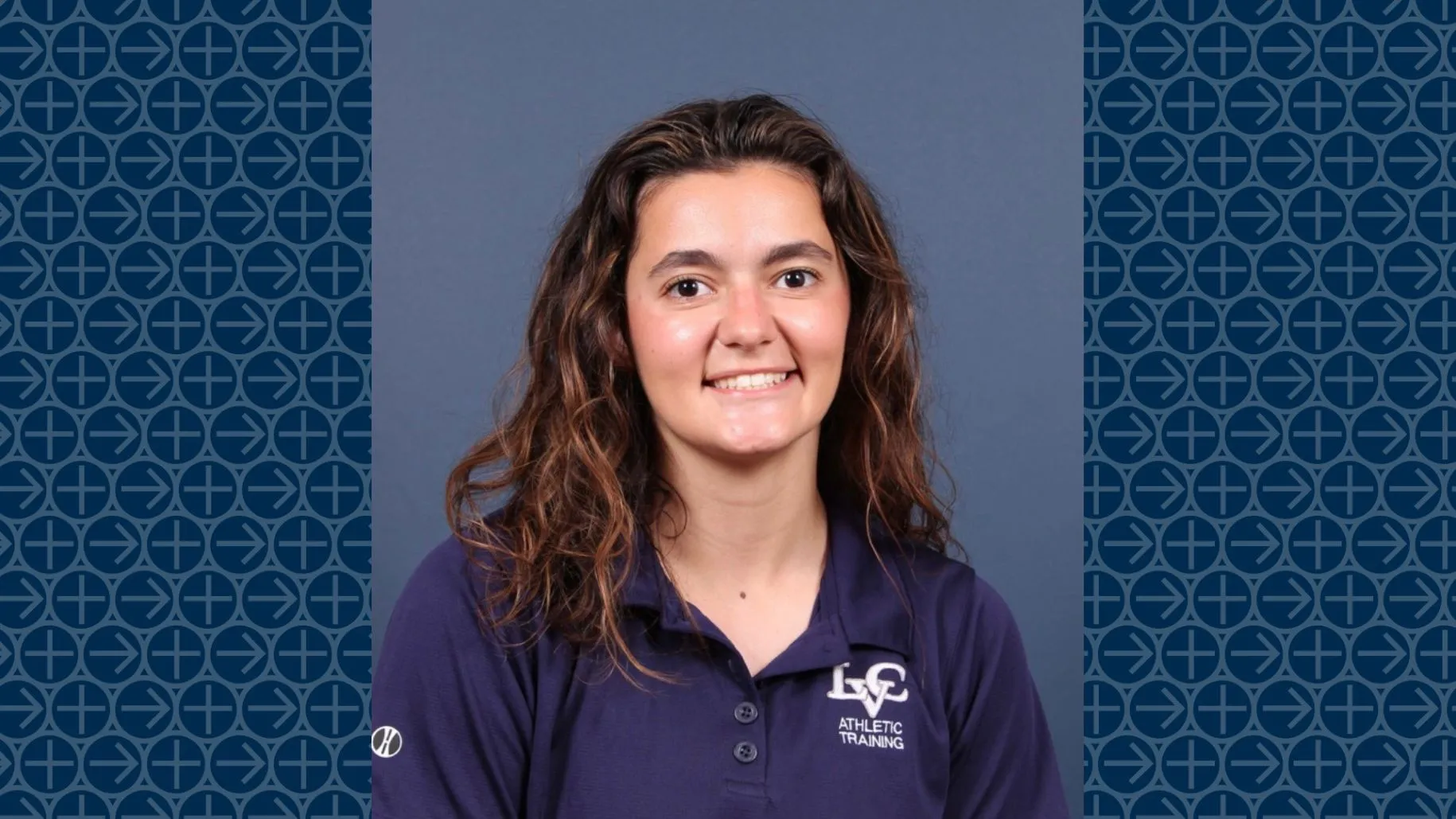
LVC Alum Shares How to Work Abroad as an Athletic Trainer


Not Seeing the Program You Are Looking For?
As Lebanon Valley College’s first Master of Athletic Training (MAT) student to complete an international placement, Victoria “Tori” Manmiller turned her study abroad experience into a full-time job in Dublin, Ireland.
Now working with athletes and patients across Ireland, she’s sharing what she learned and her advice for students who dream of taking their skills global.
Manmiller’s journey started with her own injuries as a high school athlete.
“In high school as an athlete, I incurred a few physical injuries. The physical injuries brought some mental health issues, and the Athletic Trainers were always there,” she said. “After experiencing what the Athletic Trainers did for me, I knew I wanted to be able to do this for other athletes and patients.”
That support inspired her to help others through their hardest times, both physically and mentally.
LVC stood out for its balance of academics, athletics, and community.
“I liked how I was able to participate in LVC Track and Field while in the Athletic Training program; most other Athletic Training programs don’t allow this,” she said.
“The LVC Athletic Training program has one of the few cadaver labs in the state. The fact that I was able to see and touch the muscles and various body systems has helped me greatly now that I am working with patients and athletes.”
And beyond academics?
“From the moment I stepped onto campus during my first tour, the campus felt like home.”
Manmiller’s first international experience came when she studied abroad at Kingston University in England with LVC in 2021.
“While in England, I fell in love with the opportunities of European travel, learning from other cultures, and the amazing people I met. I knew I wanted to consider a career abroad.”
That semester set her dream in motion. When she returned to LVC, she asked her professors how she could complete a clinical placement overseas, and they helped make it happen. Her initiative led to a placement at Clontarf Athletic Therapy in Dublin.
Adjusting to life and work in Ireland came with a few surprises, especially on the field.
“The hardest thing was learning the sports I was covering. Sports like Gaelic Football and Hurling are not sports that are common in the U.S.,” she said.
“I was able to overcome this by actually learning to play Gaelic Football and Hurling (yes, I actually have played both now) as well as asking the athletes detailed questions about how an injury may affect their playing ability.”
She also had to get used to a different healthcare structure.
“With the health care system in Ireland, we as athletic trainers don’t have the opportunity to work as closely with doctors as we do in the U.S. I was able to adapt just by trial and error and jumping in and learning as I go.”
Beyond the clinical and athletic experiences, Manmiller’s biggest takeaway from her international placement was the people she met.
Those connections paid off. Her Dublin preceptor offered her a full-time position after graduation.
“He offered to allow me to work at his clinic while studying for my ARTI Exam, to become certified in Ireland as an Athletic Trainer/Therapist.”
Today, Manmiller splits her time between the clinic—where she works with both athletes and the general population—and the Suttonians Rugby Club, where she serves as lead athletic trainer for practices and matches.
Moving to a new country for her first full-time job was a big leap.
“I had to learn how to be an adult and how to be on my own as an AT while being in a new country,” she said. “I do believe that this experience has made me quite independent and I have also gained so much confidence as well.”
Whether she stays in Ireland or eventually returns to the U.S., Manmiller says she’s confident her LVC education and her international experience will continue to guide her career.
“As long as you love what you do and put the work in you can go anywhere, and this profession allows you to do that.”