Finding Your Path in Clinical Mental Health Counseling


Not Seeing the Program You Are Looking For?
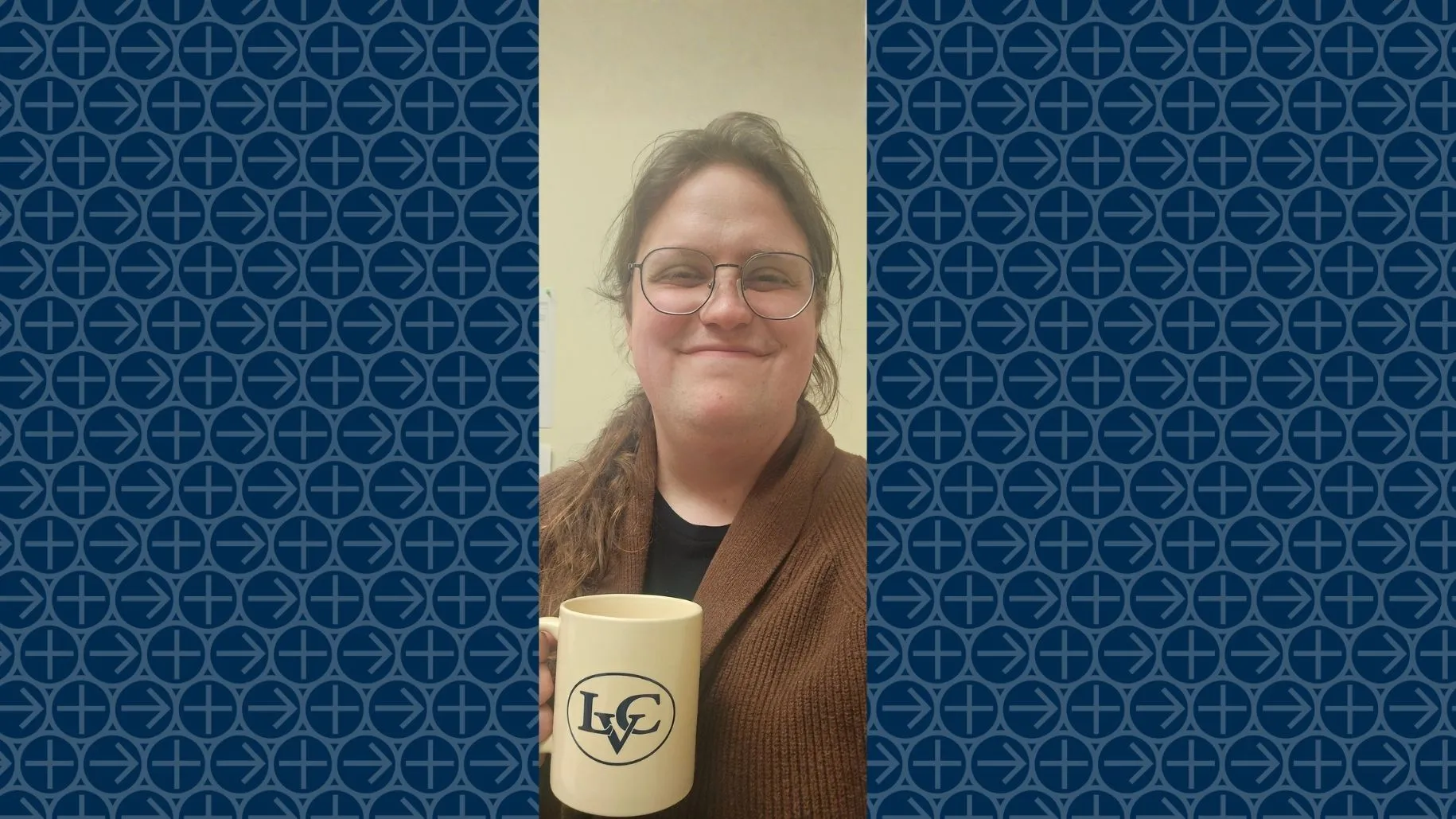
Insights by Jeremy Goshorn – Assistant Professor of Psychology, Lebanon Valley College
For generations, alcohol has been closely associated with the college experience. From movies and television shows to social media and popular culture, college life has often been portrayed as revolving around parties and drinking.
Today, however, many students are beginning to challenge that expectation.
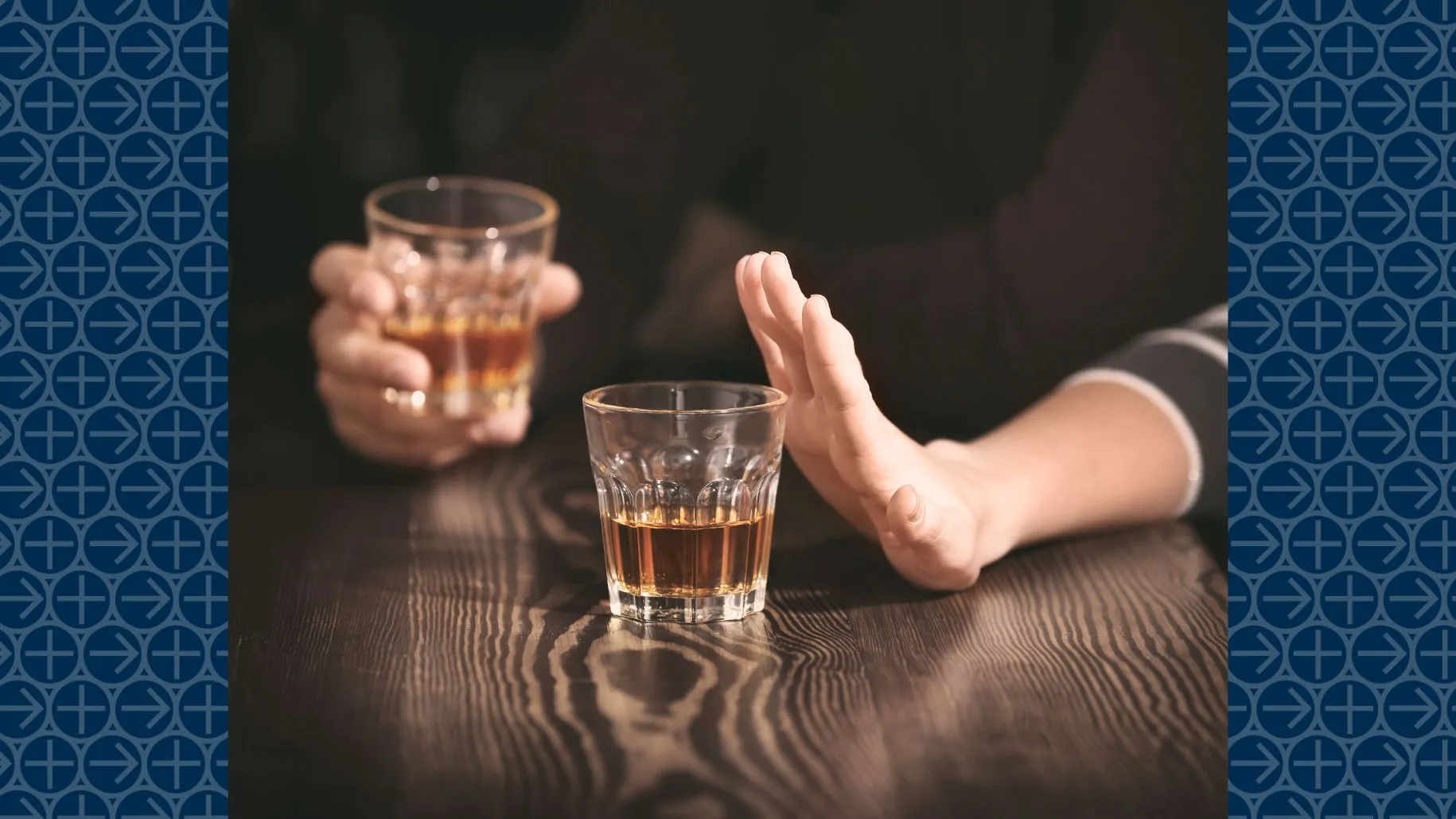
According to Jeremy Goshorn, Assistant Professor of Clinical Mental Health Counseling at Lebanon Valley College, a noticeable shift is taking place among Generation Z, with more young adults embracing a “sober curious” mindset and questioning whether alcohol is necessary for social connection and fun.
“There is a distinct generational shift happening right now,” Goshorn said.
Rather than rejecting alcohol altogether, many students are rethinking its role in their lives. Increasingly, they are seeking social experiences that don’t depend on drinking and are becoming more intentional about when, why, and how they consume alcohol.
Part of that shift stems from a growing focus on physical and mental health. Unlike previous generations, today’s students have unprecedented access to information about wellness and are often highly aware of how lifestyle choices affect their daily functioning. Wearable technology, health-tracking apps, and online resources provide constant feedback about sleep, stress, recovery, and overall well-being.
“Increasingly, Gen Z recognizes that the short-term benefits don’t outweigh the long-term ‘tax’ on their physical or mental well-being,” Goshorn said.
Economic realities may also be influencing students’ decisions. Rising tuition costs, a competitive job market, and higher living expenses have led many young adults to become more protective of both their time and financial resources. As a result, students are often making choices based on long-term goals rather than social expectations.
Mental health awareness has played a role as well. Conversations about anxiety, stress, coping strategies, and emotional well-being have become far more common among younger generations. As students develop a greater understanding of mental health, many are reconsidering alcohol’s traditional role as a way to relax, fit in, or manage stress.
For some students, social media has also changed how they think about drinking. While online platforms can create pressure to present a carefully curated image, they have also helped normalize concepts such as mindful drinking, intentional sobriety, and sober curiosity.
“Gen Z by and large is much more willing to take the decision to abstain from alcohol as an acceptable answer that doesn’t need to be explained,” Goshorn said.
That shift is particularly significant on college campuses, where social activities have historically centered around alcohol. Colleges and universities are increasingly recognizing that students want a wider range of opportunities to connect, build friendships, and have fun.
“It is more than just setting up a ‘dry lounge’ or holding student activities,” Goshorn said. “Institutions must invest in late-night programming and create spaces where students can connect.”
Many campuses have expanded alcohol-free programming, substance-free housing options, and late-night events designed to provide alternatives to traditional party culture. These initiatives help create environments where students can socialize without feeling pressured to drink.
Student leaders also play an important role in shaping campus culture. When student organizations, residence life staff, and peer leaders actively support alcohol-free events, they can help make those activities feel just as socially valuable as more traditional gatherings.
“Student leaders who openly champion and attend alternative or non-alcoholic events can shift the social capital of the event into a more mainstream activity,” Goshorn said.
For students interested in building a social life that doesn’t revolve around alcohol, Goshorn encourages finding activities that naturally foster engagement and connection. Clubs, intramural sports, volunteer opportunities, performing arts groups, outdoor recreation, gaming communities, and other shared-interest organizations can provide meaningful opportunities to meet people and develop friendships.
He also encourages students to feel confident in setting boundaries around their own choices.
“You don’t owe others a rationale for your choices,” Goshorn said. “A simple, direct boundary works best.”
Ultimately, the changing attitudes toward drinking reflect a broader shift in how young adults define wellness, community, and social connection. Rather than viewing alcohol as a requirement for fun, many students are choosing to build relationships and experiences around shared interests, meaningful activities, and personal well-being.
As colleges continue to adapt to the evolving needs of today’s students, the trend suggests that the future of campus social life may be less about what’s in a cup and more about the connections being made around it.
Clinical Mental Health Counseling at LVC
Turn your passion for helping others into a meaningful career. Lebanon Valley College offers a CACREP-accredited Master of Science in Clinical Mental Health Counseling that prepares students for licensure as professional counselors, with flexible pathways for both undergraduate and graduate students. Explore our accelerated 3+2 program or our post-baccalaureate master’s program to take the next step toward supporting individuals, families, and communities.