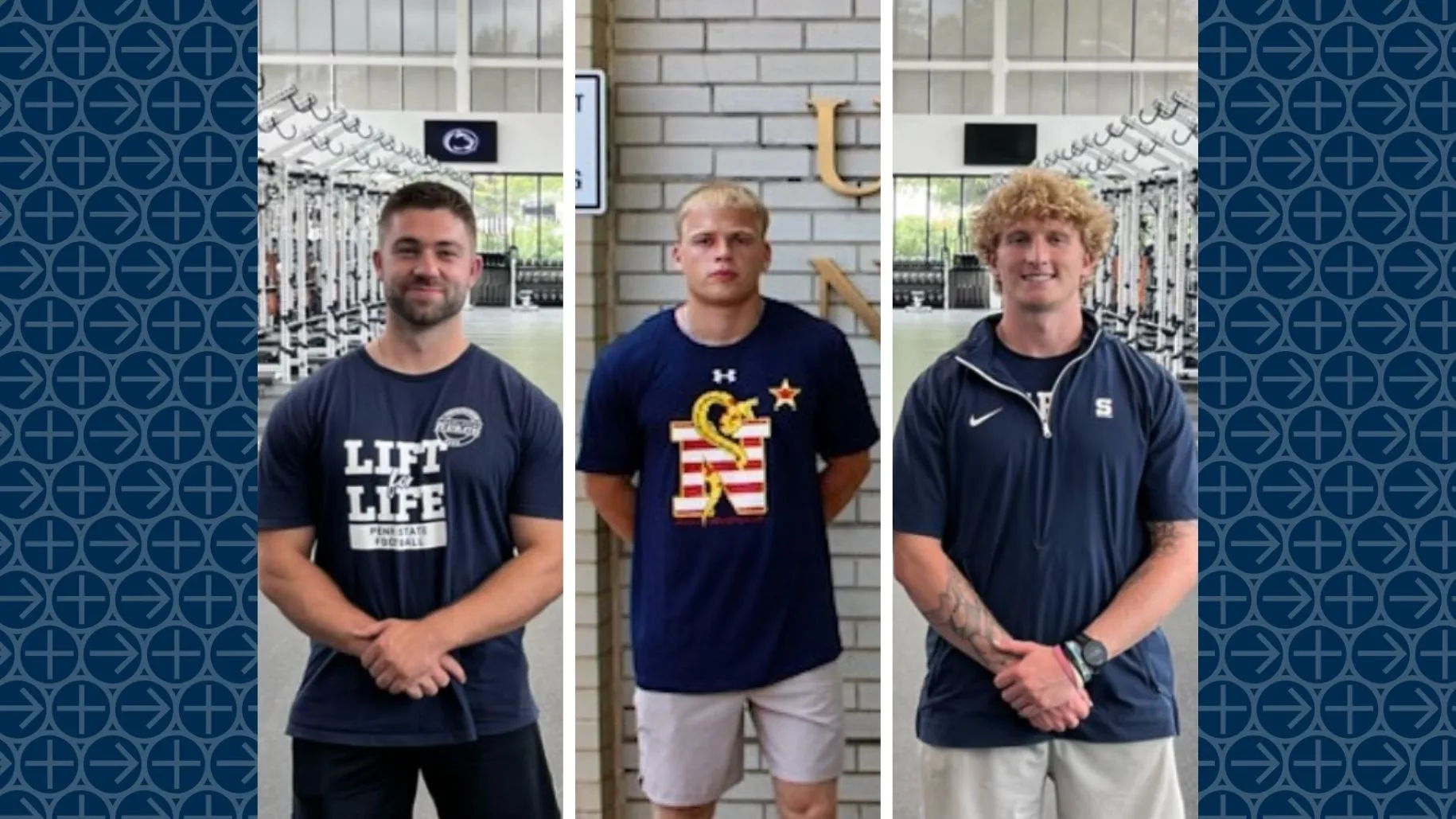
LVC Students Build Strength & Conditioning Skills with Division I Football Internships


Not Seeing the Program You Are Looking For?

Earn a bachelor's degree and a Doctor of Physical Therapy (DPT) in six years through LVC's direct-admit 3+3 program. You'll complete three years of undergraduate study, then move into the professional phase in year four once you meet the program's progression requirements.
The program is rigorous and highly competitive, and it prepares you to pass the licensure exam: LVC graduates post a 99.7% ultimate licensure exam pass rate.
Lebanon Valley College’s Physical Therapy 3+3 program is an accelerated, six-year path to a Doctor of Physical Therapy for students entering their first year of college. You’ll spend three years earning a bachelor’s degree in Exercise Science or Neuroscience, then enter the CAPTE-accredited DPT professional phase in year four, finishing one year sooner than the traditional four-plus-three route.
LVC is one of the few colleges in Pennsylvania where you can secure a seat in a physical therapy doctoral program as a high school senior. There are three ways in, depending on when you apply:
About 45 first-year students are admitted directly into the six-year program each year. Apply to LVC by January 15 and list Physical Therapy as your intended major. To continue into the professional phase in year four, you’ll need a 3.0 cumulative GPA, a 2.8 science GPA, and at least 30 hours of documented observation in two or more physical therapy settings.
Current LVC Exercise Science majors can apply in the fall of their third year for about eight additional seats. Applicants need a 3.0 cumulative GPA, a 2.8 science GPA, and at least 30 observation hours.
Already have a bachelor’s degree? Apply to LVC’s three-year Doctor of Physical Therapy program directly.
Need-based departmental scholarships are available. Download the PT Student Financial Fact Sheet (.docx).
The entry-level degree for physical therapists in the United States is the Doctor of Physical Therapy (DPT), so students first earn a bachelor’s degree in a related field. In LVC’s 3+3 program, you’ll earn a bachelor’s degree in Exercise Science or Neuroscience plus a DPT within the same six years.
If you don’t meet the progression requirements for the professional phase, you’ll still complete your bachelor’s degree in Exercise Science or Neuroscience alongside your cohort, with the option to apply to DPT programs later.
Years 1 to 3: Undergraduate Phase
Major in Exercise Science or Neuroscience, complete prerequisite science courses, and log observation hours in physical therapy settings.
Years 4 to 6: Professional Phase
Complete DPT coursework in the Arnold Health Professions Pavilion and full-time clinical education with patients.
Interested in helping patients move, overcome limitations, and respond to physical activity, exercise, and training? You’ll spend your first three years studying the human body through Exercise Science, Biology, and Physics to improve mobility, health, enhance athletic performance, and prevent or rehabilitate injuries.
Interested in the brain and in helping patients after a concussion, traumatic brain injury, spinal cord injury, post-stroke, etc., recover, regain mobility, and restore health? You’ll spend your first three years studying the mind through Neuroscience, Biology, and Psychology courses before moving into the professional phase in year four, once you meet the program’s progression requirements. A Neuroscience major is advantageous for future Physical Therapists because the brain plays a critical role in movement, mobility, and function, from the pathways that control movement to the cognitive processes that underlie motor control, task-sequencing, comprehension, and motivation.
Studying abroad gives you a whole new perspective on how people move, heal, and thrive.
Whether you’re comparing rehab practices in New Zealand or learning how culture shapes patient care, these experiences broaden your understanding of the field and make you a more adaptable, empathetic clinician.
Because the 3+3 program finishes in six years instead of seven, you’ll save a full year of tuition compared with a traditional four-year bachelor’s followed by a three-year DPT.
Need-based departmental scholarships are available to physical therapy students. After graduation, LVC DPT graduates can receive up to $65,000 in loan repayment from their future employer through the Scholars Network program.
Doctor of Physical Therapy Program at Lebanon Valley College is accredited by the Commission on Accreditation in Physical Therapy Education (CAPTE), 3030 Potomac Ave., Suite 100, Alexandria, Virginia 22305-3085; telephone: 703-706-3245; email: accreditation@apta.org; website: https://www.capteonline.org. If needing to contact the program/institution directly, please call 717-867-6840 or email fink@lvc.edu.

Physical therapists earned a median of $102,760 in 2025, and employment is projected to grow 12% from 2025 to 2035 (U.S. Bureau of Labor Statistics). LVC graduates reported a 100% employment rate and often move into leadership positions within a couple of years.
Six years from your first year of college. You’ll spend three years in undergraduate study and three years in the Doctor of Physical Therapy professional phase, earning a bachelor’s degree and a DPT along the way. That’s one year faster than the traditional route of a four-year bachelor’s degree followed by a three-year DPT program.
You’ll earn a bachelor’s degree in Exercise Science or Neuroscience, plus a Doctor of Physical Therapy. There is no bachelor’s degree in physical therapy, because the DPT is the entry-level degree for physical therapists. If you don’t meet the requirements to continue into the professional phase, you’ll still complete your bachelor’s degree with your cohort.
Apply to LVC by January 15 and list Physical Therapy as your intended major. About 45 students are admitted yearly, typically with a GPA of 3.5 or higher, an SAT of 1250 or higher (or an ACT of 26 or higher), and a top-10% class rank. LVC is test-optional, but test scores are strongly encouraged for this program.
You’ll still complete your bachelor’s degree in Exercise Science or Neuroscience with your cohort. To continue into the professional phase in year four, students need a 3.0 cumulative GPA, a 2.8 science GPA, and at least 30 observation hours. Students can also apply to DPT programs later through post-baccalaureate admission.
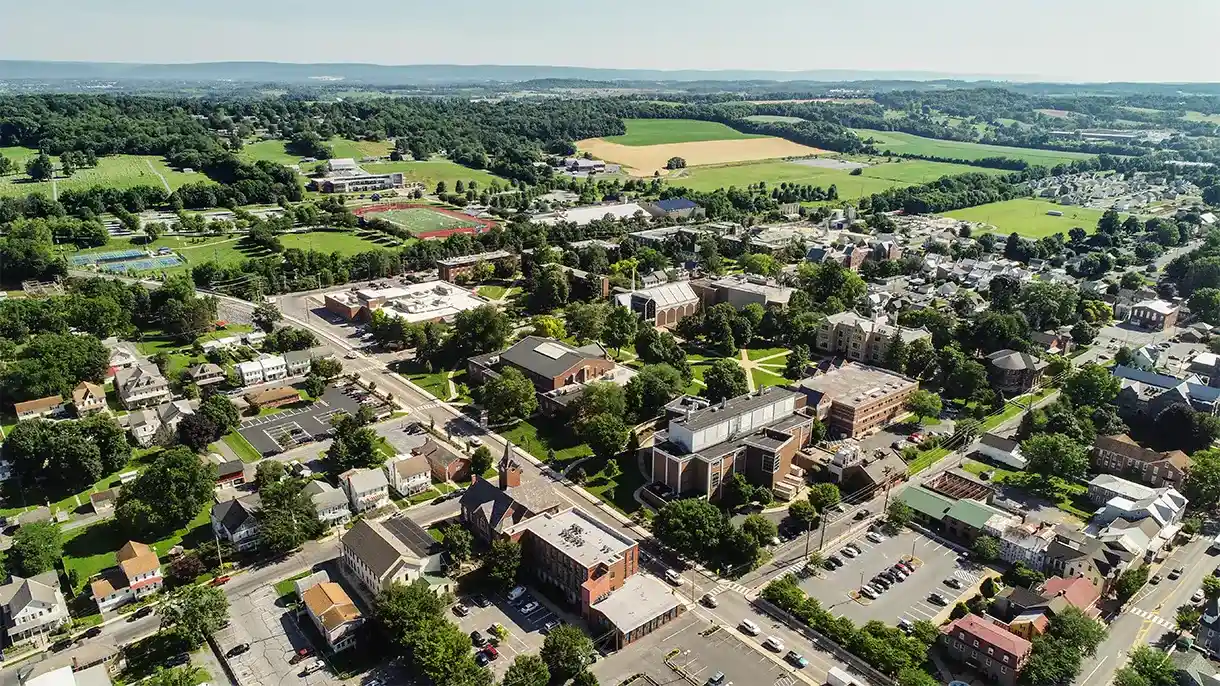
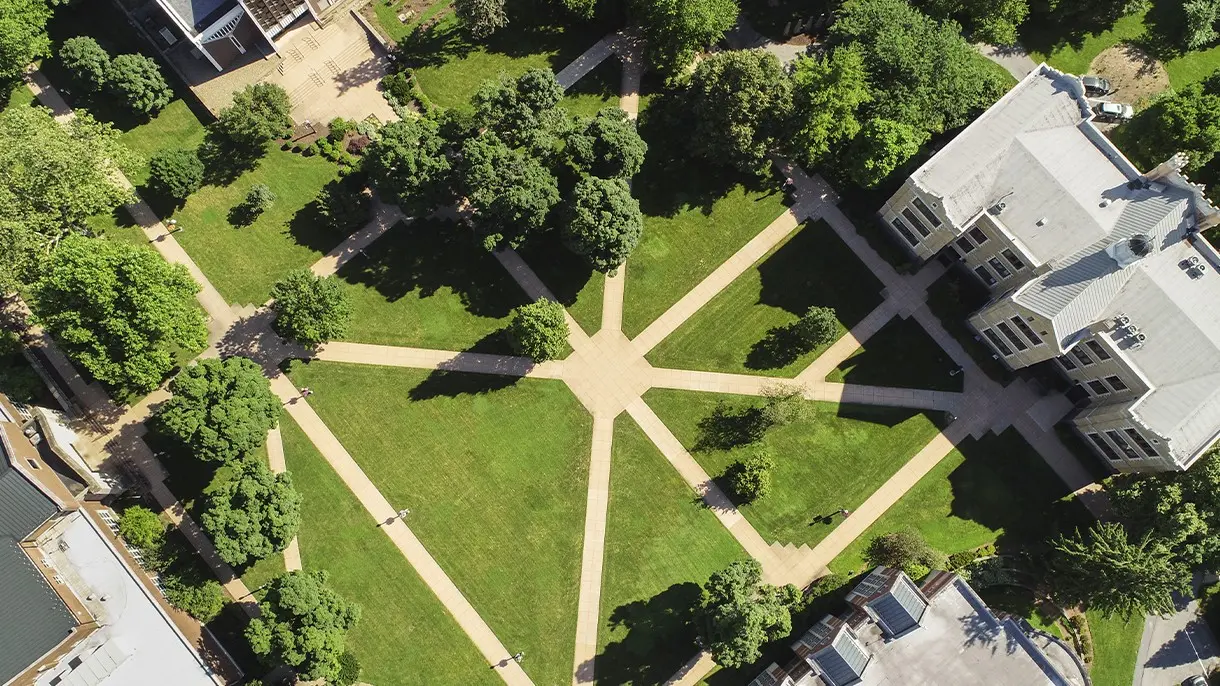
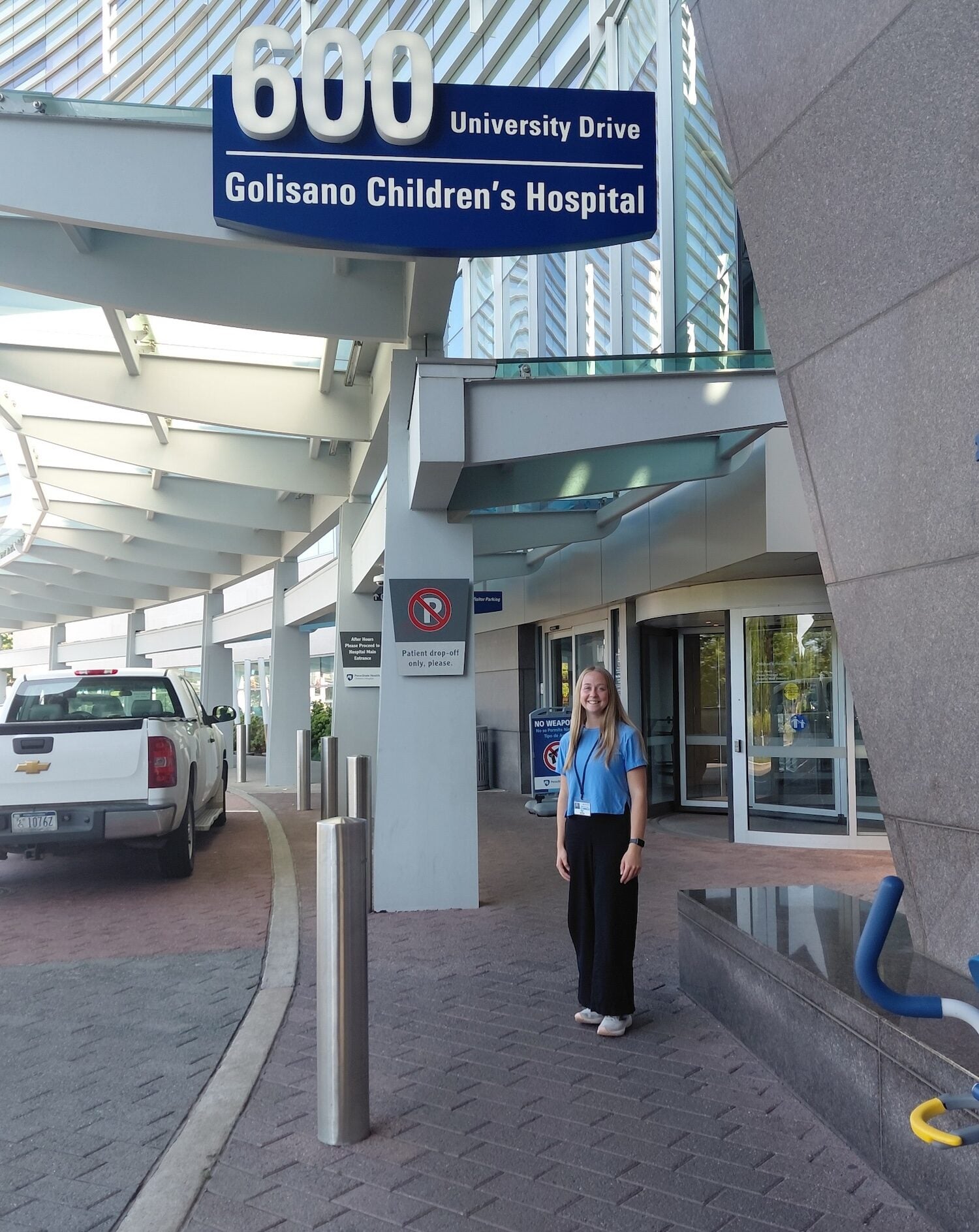
LVC’s campus is in Annville, Pennsylvania, near PA healthcare hubs like Harrisburg, Hershey, and Lancaster. Professional-phase courses take place in the Jeanne and Edward H. Arnold Health Professions Pavilion, and recent clinical placements include Penn State Health Golisano Children’s Hospital in Hershey. On campus, the student-led CURE Clinic offers free physical therapy to uninsured patients in the community.